

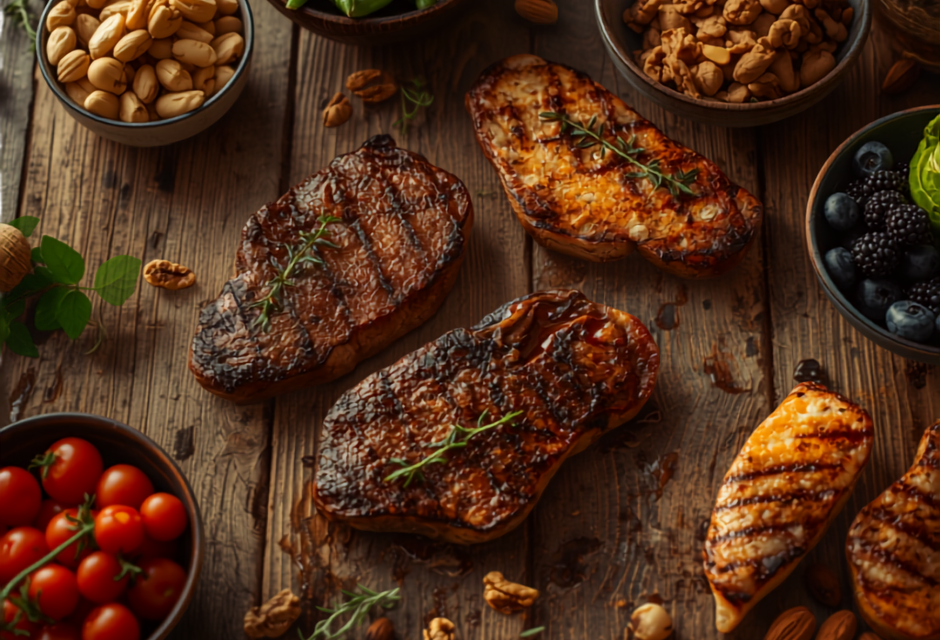
The paleo diet asks a simple question: what would humans have eaten before farming existed? In practice, that means meat, fish, eggs, vegetables, fruit, nuts, and seeds, while grains, legumes, dairy, refined sugar, and processed foods are off the table.
How It Works
Paleo works less through a specific metabolic mechanism like ketosis and more by default calorie reduction: cutting out grains, added sugar, and processed snacks removes a huge share of the ultra-processed foods that make overeating easy, while protein and fiber from vegetables keep people fuller for longer.
Benefits
- Meaningful reductions in body weight and waist circumference in clinical studies, alongside improved blood pressure and lipid profiles.
- Lower triglycerides and fasting blood sugar for many followers, likely driven by cutting refined carbohydrates and added sugar.
- A focus on whole foods that naturally crowds out ultra-processed products linked to weight gain.
Risks and Who Should Be Cautious
- Cutting whole grains and legumes removes major sources of fiber, B vitamins, and plant protein — a gap that needs deliberate planning with vegetables and nuts.
- No dairy means calcium and vitamin D need to come from other sources, which matters for bone health, especially post-menopause.
- The diet can be expensive, since it leans heavily on meat, fish, and fresh produce rather than shelf-stable staples.
- People with kidney issues should discuss protein intake with a doctor before increasing it substantially.
A Sample Day
Scrambled eggs with sauteed peppers and onions for breakfast; grilled chicken salad with olive oil dressing for lunch; baked salmon with roasted sweet potato and asparagus for dinner; apple slices with almond butter as a snack.
Bottom Line
Paleo is essentially a whole-foods, anti-processed-food framework dressed up in an ancestral narrative. The evidence for its health benefits holds up reasonably well, but the benefit comes from what it cuts out, not from any special ancestral magic — and it’s worth pairing with a plan to cover fiber and calcium.
This article is for general information only and is not a substitute for personalized medical advice. Talk to your doctor or a registered dietitian before starting the paleo diet.





Recent Comments