

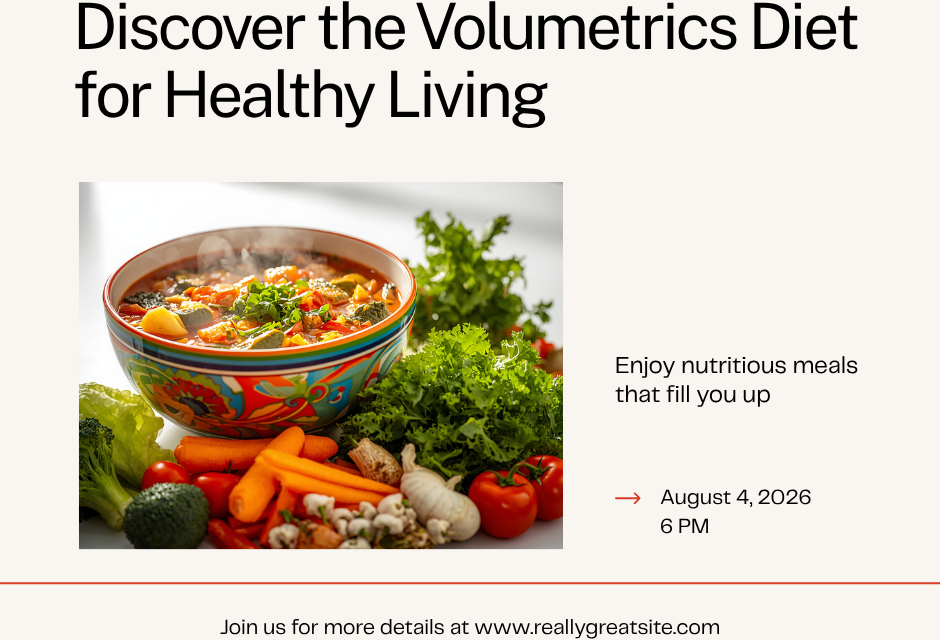
Volumetrics doesn’t ban any food group. Instead, it sorts foods by calorie density — calories per gram — and builds meals around low-density, high-water, high-fiber foods so you can eat large portions for relatively few calories.
How It Works
Foods are grouped into four categories, from very low density (broth-based soups, most vegetables, non-starchy fruit) to high density (chips, candy, oils, fried food). The strategy is to fill most of the plate with categories one and two, keep dense foods like meat and cheese as a moderate portion, and treat category four foods as occasional additions. Water and fiber add volume and weight to food without adding many calories, which triggers fullness signals sooner.
Benefits
- Strong scientific support for low-energy-density, high-fiber eating as a weight-loss strategy, with research consistently linking it to reduced calorie intake without increased hunger.
- No food is off-limits, which removes the deprivation feeling that derails a lot of restrictive diets.
- Because vegetables and soups dominate the plate, nutrient intake tends to be high relative to calories consumed.
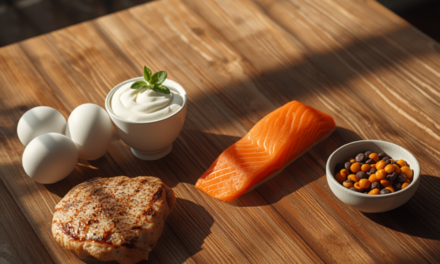
- Pairing high-volume foods with lean protein stretches the fullness effect even further, since protein adds its own satiety signal on top of volume.
Risks and Who Should Be Cautious
- Requires some upfront learning to sort foods by density accurately — it’s less intuitive than simply avoiding a food group.
- Meal prep-heavy: soups, salads, and vegetable-forward dishes take more chopping and cooking time than grab-and-go processed food.
- Can be harder to apply when eating out, where portion control and calorie density are less visible.
A Sample Day
A vegetable and egg-white omelet with a side of berries for breakfast; a big vegetable soup followed by a salad with grilled chicken for lunch; a stir-fry loaded with vegetables and a modest portion of tofu or shrimp over a small portion of rice for dinner; air-popped popcorn or fruit for snacks.
Bottom Line
Volumetrics is one of the better-supported strategies for people who hate feeling hungry on a diet. It takes more kitchen effort than most plans, but the payoff is large portions and genuine fullness on fewer calories.
This article is for general information only and is not a substitute for personalized medical advice. Talk to your doctor or a registered dietitian before making major changes to your eating pattern.




Recent Comments