

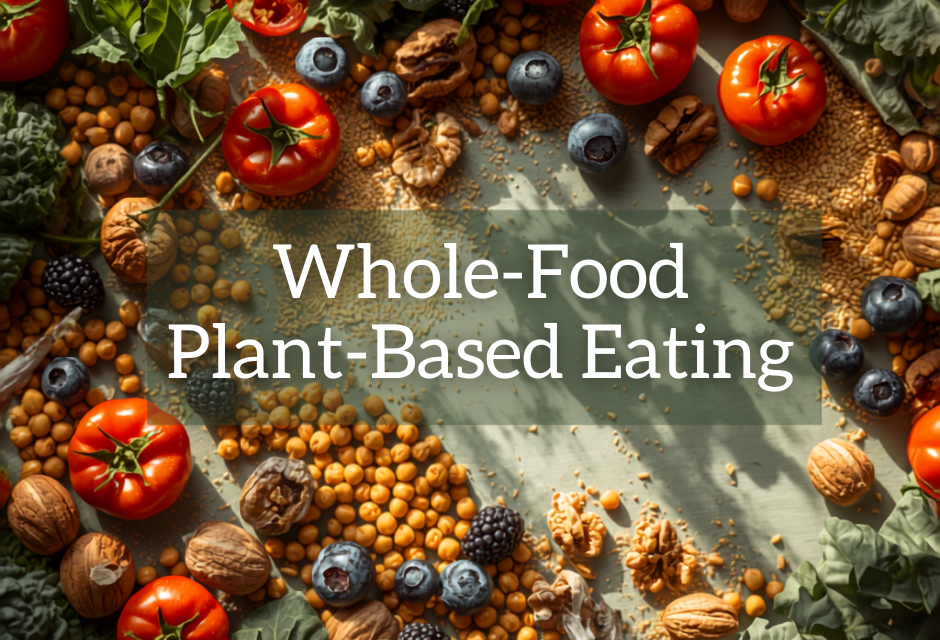
Whole-food plant-based (WFPB) eating goes further than standard veganism: it’s 100% plant foods, but it also minimizes refined oils, added sugar, and processed vegan products like meat substitutes and packaged snacks. The focus is vegetables, fruit, whole grains, legumes, nuts, and seeds in as close to their natural form as possible.
How It Works
Plant foods are generally less calorie-dense than animal products or processed food, so eating a similar volume of food naturally means fewer calories. High fiber content also slows digestion and increases fullness, which is why many people report losing weight on WFPB without deliberately counting calories.
Benefits
- Significant reductions in risk for heart disease, type 2 diabetes, and certain cancers show up consistently in long-term studies of whole-food plant-based eaters.
- High fiber and nutrient density support gut health and can improve cholesterol and blood sugar markers within weeks.
- Weight loss tends to be gradual but well-maintained over time, likely because the diet doesn’t rely on restriction or counting.
Risks and Who Should Be Cautious
- Vitamin B12 isn’t naturally present in plant foods and needs to come from a supplement or fortified foods — this isn’t optional on a fully plant-based diet.
- Iron, zinc, calcium, and omega-3s need deliberate planning, since plant sources are absorbed less efficiently than animal sources.
- Protein needs are achievable but require variety — legumes, tofu, tempeh, seitan, and whole grains together rather than relying on one source.
- People with certain digestive conditions may need a slower transition, since the jump in fiber intake can cause bloating at first.
A Sample Day
Oatmeal with berries and ground flaxseed for breakfast; a lentil and vegetable grain bowl for lunch; a chickpea and vegetable curry with brown rice for dinner; fruit or hummus with vegetables as a snack.
Bottom Line
WFPB has some of the strongest long-term disease-prevention evidence of any eating pattern, and weight loss tends to follow naturally from the food choices rather than a deliberate restriction. The trade-off is that a few nutrients need active attention rather than happening by default.
This article is for general information only and is not a substitute for personalized medical advice. Talk to your doctor or a registered dietitian about supplementation before going fully plant-based.






Recent Comments